

A slip and fall case may seem straightforward at first glance. Someone falls, suffers an injury, and it appears the business should be responsible. In reality, these cases are rarely that simple.
What often determines the outcome of a Miami slip and fall claim is the quality of the evidence. It’s not enough to show that a fall occurred, you must also demonstrate what caused it, what the area looked like before and after, and whether the business knew or should have known about the hazard.
Under Florida law, when a slip and fall involves a temporary foreign substance in a business, the injured person must prove the business had actual or constructive knowledge of the condition and failed to address it. Constructive knowledge can also be established through circumstantial evidence. For example, showing that the hazard existed long enough to be discovered, or that similar issues occurred regularly, may support your claim.
This is why early evidence is so important. Conditions change quickly: floors get cleaned, warning signs appear, surveillance footage may be overwritten, and memories fade. Strong cases often depend on what is captured and preserved immediately after the incident.
If you were injured in a slip and fall in Miami or South Florida, here are the types of evidence that matter most.
Why Evidence Is Critical in a Florida Slip & Fall Case
A fall alone does not establish liability. The key question is whether a dangerous condition existed and whether the business failed to address it in time.
In many cases, the real dispute centers on notice. Did the business know about the hazard? Should it have known? Did it have enough time to fix the issue or warn customers?
Strong evidence usually helps answer three core questions:
- What caused the fall?
- What did the area look like at the time?
- How long was the hazard present?
When these questions are clearly answered, a claim becomes much stronger. Without that clarity, even serious injuries can be difficult to prove.
Timing plays a major role. Businesses often retain video and records for only a limited period. Without quick action, critical evidence may be lost.
Photos & Videos Can Be Some of the Strongest Evidence
Images and video captured shortly after a fall are often among the most compelling forms of proof. They can document the condition of the scene before anything is altered.
What Photos Capture That Memory May Not
Photos can preserve details that are easy to forget later. For example:
- Was there a liquid spill or slippery residue?
- Were there footprints or cart tracks through it?
- Was the surface uneven or damaged?
- Was lighting insufficient?
- Were warning signs missing?
These details help explain how the fall happened and whether the hazard should have been noticed sooner.
Wide-angle shots are just as important as close-ups. They show where the hazard was located in relation to entrances, aisles, or employee work areas, helping establish whether staff should have been aware of it.
Why Video Can Provide More Context
Video footage can reveal details that still images cannot. A short clip can show the following:
- The size and visibility of the hazard
- Lighting conditions
- Foot traffic patterns
- Employee behavior after the incident
It may also capture statements made at the scene, which can later become important.
What to Document If You Can
If you are physically able, try to document:
- The hazard itself
- The surrounding area
- Any warning signs (or lack of them)
- Your clothing and footwear
- Visible injuries
Be sure to keep original files, as timestamps can help verify when the evidence was created.
Surveillance Footage Often Shows More Than the Fall
Many people assume surveillance video is only useful if it captures the fall itself. In reality, its greatest value is often what it shows before the incident.
Footage May Reveal How Long the Hazard Existed
Video may show:
- When the hazard first appeared
- Whether others encountered it beforehand
- Whether employees passed by without addressing it
This type of timing evidence can directly support constructive knowledge under Florida law.
Footage May Show Before-and-After Activity
Surveillance may also help answer questions such as:
- Were warning signs present before the fall?
- Did staff inspect the area?
- Was the hazard cleaned only afterward?
- Was the area busy enough to require closer monitoring?
Why Prompt Preservation Matters
Many businesses overwrite surveillance footage as part of routine operations. Delays in requesting preservation can result in losing key evidence.
Acting quickly to secure this footage can make a significant difference in a case.
Internal Records Can Play a Major Role
Some of the most important evidence comes from the business itself.
Cleaning and Inspection Logs
These records can show:
- When the area was last checked
- How often inspections were supposed to occur
- Whether procedures were followed
If there are gaps or inconsistencies, that may suggest the hazard was not properly addressed.
Incident Reports
Incident reports often include:
- Time and location of the fall
- Employees present
- Initial descriptions of the scene
However, they are not always complete or unbiased and should be considered alongside other evidence.
Internal Documentation Matters
Even if not immediately available, internal records such as logs, reports, and timestamps can reveal whether the business followed its own safety procedures.
Witness Statements Can Help Reconstruct the Scene
Witnesses are often underestimated, but they can be very valuable.
Confirming the Hazard
A witness may confirm that a hazard existed before the fall and describe its condition, including signs that it had been there for some time.
Describing What Changed
Witnesses may also recall what happened afterward, such as employees cleaning the area or adding warning signs.
Importance of Contact Information
Collecting names and contact details is essential, as witnesses can be difficult to locate later.
Medical Records Are Important — But Limited
Medical records are critical for documenting injuries and linking them to the fall.
They help establish:
- The nature of the injury
- The treatment received
- How the injury affected daily life
However, they typically do not prove fault. They support damages and causation, while other evidence establishes liability.
Safety Standards Help Explain the Risk
General safety guidelines, such as those from OSHA, emphasize keeping walking surfaces clean, dry, and regularly inspected.
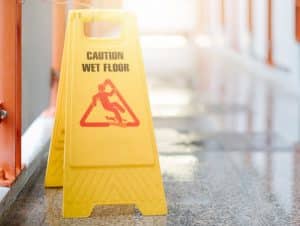
While these standards do not directly determine liability, they reinforce a basic principle: unsafe conditions like wet floors or cluttered walkways create predictable risks.
Common Mistakes That Can Hurt a Claim
Several missteps can weaken a slip and fall case:
- Waiting too long to document the scene
- Assuming the business will preserve evidence
- Failing to report the incident
- Relying solely on memory instead of documentation
Because conditions can change quickly, early action is critical.
Steps to Take After a Slip and Fall
Your health should always come first. Seek medical attention if needed.
If possible:
- Report the incident to the business
- Take photos and videos
- Collect witness information
- Preserve all related files and communications
Act quickly to ensure important evidence, like surveillance footage and records, is not lost.
How an Attorney Can Help
Not all evidence carries equal weight. An attorney can help determine what matters most and take steps to preserve it.
That may include evaluating whether scene photos help show a dangerous condition, whether surveillance footage may reveal timing and notice, whether inspection records tell a consistent story, and whether witness accounts support or contradict the business’s version of events.
It can also include taking prompt steps to request that important evidence be preserved before it disappears. At Stabinski Law, we know personal attention matters. We do not treat people like file numbers. Every slip and fall case turns on its own facts, and early evidence can matter more than most people realize.
That approach fits our firm’s client-centered, boutique feel while still reflecting the experience and serious case handling clients expect. If you were injured in a slip and fall in Miami or elsewhere in South Florida, contact Stabinski Law for a free consultation. We can review what happened, explain what evidence may matter, and help you take steps to protect your claim before valuable proof is lost
If you were injured in a slip and fall in Miami or elsewhere in South Florida, contact Stabinski Law for a free consultation. We can review what happened, explain what evidence may matter, and help you take steps to protect your claim before valuable proof is lost